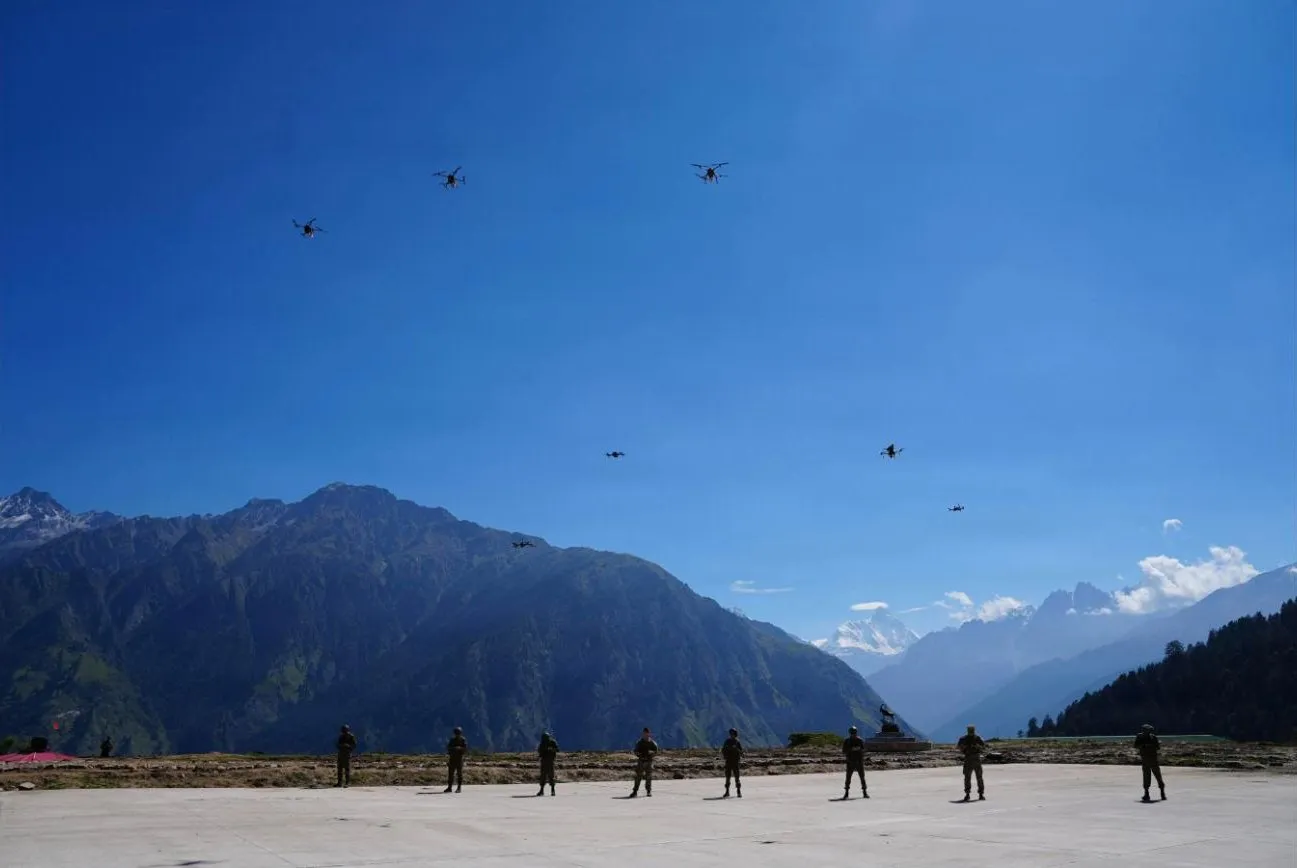
- iDEX funds startups, MSMEs and innovators to solve problems set by the Armed Forces.
- The core grant (SPARK) goes up to ₹1.5 crore; iDEX Prime up to ₹10 crore; ADITI up to ₹25 crore.
- Money is paid in milestones. Winning is the start of the path to a defence customer, not the end.
What iDEX is
iDEX, short for Innovations for Defence Excellence, is the Ministry of Defence’s programme for bringing startups and MSMEs into defence. It is run by the Defence Innovation Organisation (DIO) under the Department of Defence Production.
The idea is simple: the Army, Navy, Air Force and other agencies publish real problems they need solved, and iDEX funds the companies that can build a working prototype.
The four tracks, and which one fits you
| Track | Who sets the problem | Maximum grant |
|---|---|---|
| DISC (Defence India Startup Challenge) | The Services and defence agencies publish problem statements | Up to ₹1.5 crore |
| Open Challenge | You propose the problem and the solution | Up to ₹1.5 crore |
| iDEX Prime | Larger, higher-complexity problems | Up to ₹10 crore |
| ADITI | Strategically critical technologies | Up to 50% of the product development budget, capped at ₹25 crore |
If a published problem statement matches what you already build, DISC is usually the fastest route. If your technology solves a defence need nobody has written down yet, the Open Challenge is built for you.
The SPARK grant: how the money works
The funding behind iDEX challenges is the SPARK grant (Support for Prototype and Research Kickstart). Three things matter:
- It is milestone-based. Money is released in stages as you hit agreed technical milestones.
- It funds a prototype. Reviewers want a credible path to a working system, not a concept paper.
- The final amount is decided by a committee. The caps above are maximums, not guarantees.
Who can apply
Startups and MSMEs can apply directly. Individual innovators, including researchers and academic institutions, can also apply, but they must form a startup before signing the SPARK grant agreement.
Beyond eligibility, reviewers look for the technical ability to build a prototype and take it through defence-grade testing.
How to apply, step by step
- Pick the right challenge. Read the live problem statements on the iDEX portal and match them honestly to what you can build.
- Check your fit. Confirm eligibility and that you can meet the technical bar the problem statement sets.
- Build the application. Explain the problem you are solving, your technical approach, the funding you are asking for, and a realistic budget and timeline.
- Screening and pitch. A high-powered committee of defence and technology experts screens applications and shortlists for presentation.
- Grant agreement. Winners sign the SPARK agreement and agree milestones.
- Build, trial, procure. Develop the prototype, run trials with the user Service, and work towards a procurement order.
Mistakes that sink applications
- Picking the wrong problem statement. A strong product aimed at a mismatched challenge loses to a weaker but closer fit.
- Writing a concept paper. Reviewers fund prototypes; show how you will get to one.
- A budget nobody can check. Every rupee should tie to a milestone and an activity.
- Ignoring the user. The Service that set the problem will run the trials. Write for them.
- Stopping at the grant. The grant funds a prototype. The real prize is the procurement order after trials.
Where DSV helps
We work with startups across the path from challenge statement to trial to contract:
- Challenge-statement mapping: matching your technology to live iDEX and Services’ challenges and the right funding track.
- Proposals and documentation: technical write-ups, cost justification and requirement documents that a procurement reviewer can approve.
- Trials and user engagement: planning demonstrations and field trials with the user Services and DRDO.
- Scale-up partners: introductions to large manufacturers, investors and export channels once a prototype is proven.
Sources: Department of Defence Production, iDEX; iDEX: How to apply; ADITI scheme document. Grant caps and challenge rules change; always check the live challenge on idex.gov.in before applying.
Questions
What is the full form of iDEX?
iDEX stands for Innovations for Defence Excellence, the Ministry of Defence’s programme for funding startups, MSMEs and innovators who solve defence problems.
How much funding does iDEX give?
Under DISC and the Open Challenge, the SPARK grant goes up to ₹1.5 crore. iDEX Prime raises the cap to ₹10 crore. ADITI can fund up to 50% of the product development budget, to a maximum of ₹25 crore.
Can an individual apply to iDEX?
Yes. Individual innovators, including researchers and academic institutions, can apply, but must form a startup before signing the SPARK grant agreement.
Is the iDEX grant paid at once?
No. Funding is released against milestones agreed in the grant agreement, not as a single payment.
Working on an iDEX application?
We help startups map challenges, build the proposal and plan trials. NDA first.